Introduction: A Logo That Lives in Memory
Think of classic Tamil cinema. What images come to mind? Perhaps you recall M.G. Ramachandran’s charismatic smile. Maybe you remember Sivaji Ganesan’s commanding presence. But there is one image that appears before all of these. It is the spinning wheel with the letters “AVM.” It appears at the beginning of every AVM film.
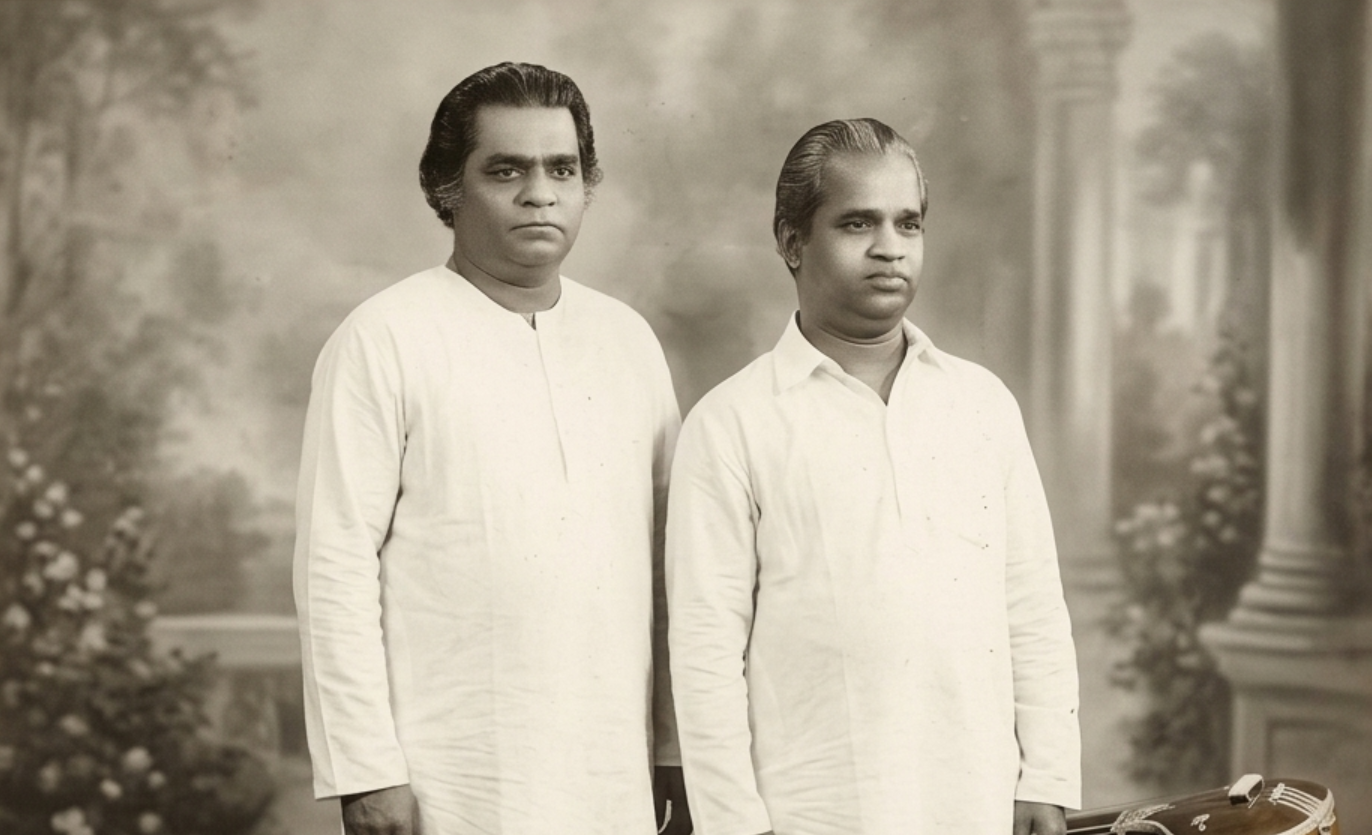
That iconic logo was not created by a computer. It was not designed by a corporate agency. It was drawn by hand. The artists behind it were the Balu Brothers. Their work became synonymous with quality cinema. Their designs defined an entire generation of filmmaking.
Interestingly, the Balu Brothers’ cinematic work continues to inspire their descendants today. While Sri Mudhra Arts now focuses on traditional Tanjore-style paintings, their hand-drawn logo legacy lives on in the digital world. The fourth generation of this artistic lineage has evolved into Dot Designs, a branding agency that creates digital logos and identities. This evolution proves that the family’s creative spirit transcends generations and mediums.
The Birth of a Cinema Connection
The Balu Brothers’ entry into cinema was not accidental. It was a natural progression. Their reputation as master artists had already spread. They were known for their ability to capture emotion. They were known for their eye for detail. This made them invaluable to the growing film industry.
In the 1940s and 50s, Tamil cinema was undergoing a transformation. It was moving from simple storytelling to visual grandeur. Producers needed artists who could create compelling visuals. They needed posters that would draw crowds. They needed logos that would become brands.
The Balu Brothers were the perfect fit. Their work was already admired. Their reputation preceded them. Consequently, they were approached by the biggest names in the industry. The most significant of these was AVM.
The AVM Logo: A Symbol of Quality
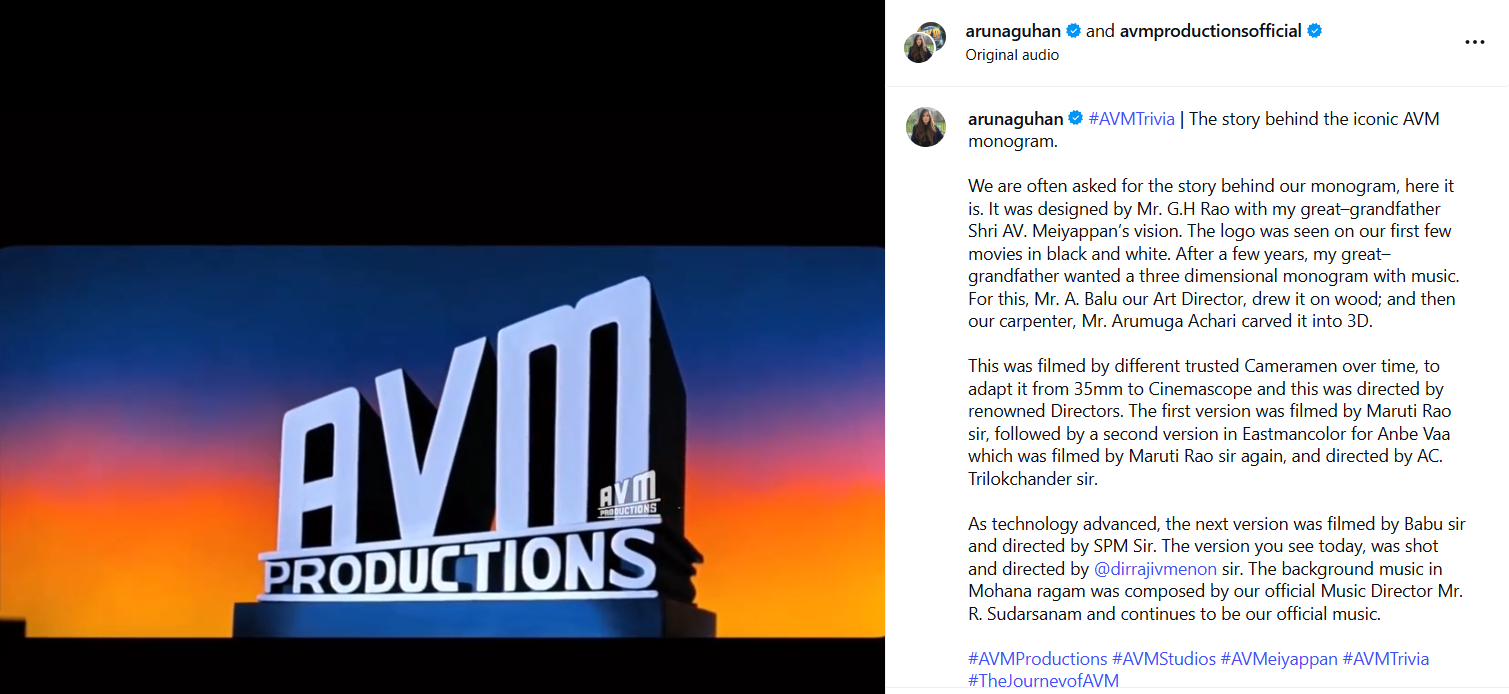
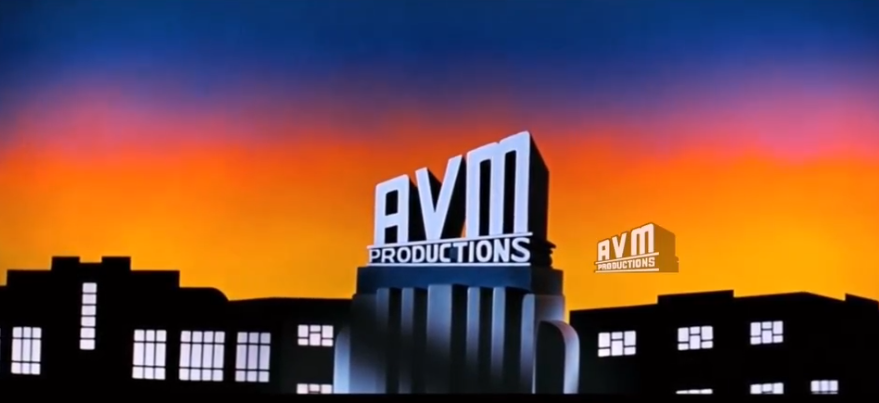
The AVM logo is one of the most recognizable symbols in Indian cinema. It features a spinning wheel. It was designed during the independence movement. It symbolized self-reliance and national pride. The letters “AVM” are placed prominently above it. Together, they represent a commitment to quality filmmaking.
The Balu Brothers designed this logo with care. They understood its significance. The spinning wheel was not just a symbol. It was a statement. It said that AVM was committed to Indian values. It said that AVM was part of the nation’s story.
The logo appeared at the beginning of every AVM film. It became a mark of trust. Audiences knew that a film with this logo was worth watching. It was a promise of quality. It was a promise of entertainment. It was a promise of cultural relevance.
This logo remains iconic to this day. It is a testament to the brothers’ vision. Their hand-drawn approach to logo design is particularly noteworthy. It was a skill that the third generation would carry forward through Sri Mudhra Arts, creating hand-drawn traditional Tanjore paintings.
Promotional Art for Blockbusters
The Balu Brothers’ contribution went beyond logos. They created promotional art for many films. These were not just posters. They were works of art in their own right.
They worked on films like Adhisaya Thirudan. They worked on Marakatham. They worked on many other classics. Each poster was carefully crafted. Each poster captured the essence of the film. They drew audiences to theaters. They created excitement and anticipation.
Their promotional art was known for its vibrancy. It was known for its attention to detail. The faces of the actors were recognizable. The scenes were dramatic. The colors were bold and inviting. These posters were an integral part of the film experience.
Furthermore, the brothers brought a unique perspective. They understood the cultural context. They knew what would resonate with audiences. Consequently, their posters were always effective. They always told the story in a compelling way.
This tradition of visual storytelling continues today. The fourth generation, through Dot Designs, applies the same principles to digital branding. They create logos and visual identities that tell compelling brand stories.
Designing the Heroes and Villains
The Balu Brothers also worked on character designs. They helped create the visual identities of iconic characters. They designed heroes. They designed villains. They designed supporting characters. Each design was carefully considered.
They understood the importance of visual storytelling. A hero needed to look heroic. A villain needed to look menacing. A romantic lead needed to look charming. These visual cues helped audiences connect with the characters.
Their designs influenced how actors were portrayed. They set the standard for character design in Tamil cinema. Many films followed their lead. Their work became the blueprint for future generations.
Their understanding of character design was intuitive. It was based on a deep understanding of human nature. It was based on a deep understanding of cinema. This is a skill that remains valuable in modern branding and design.
R.K. Shanmugam and the Third Generation Legacy
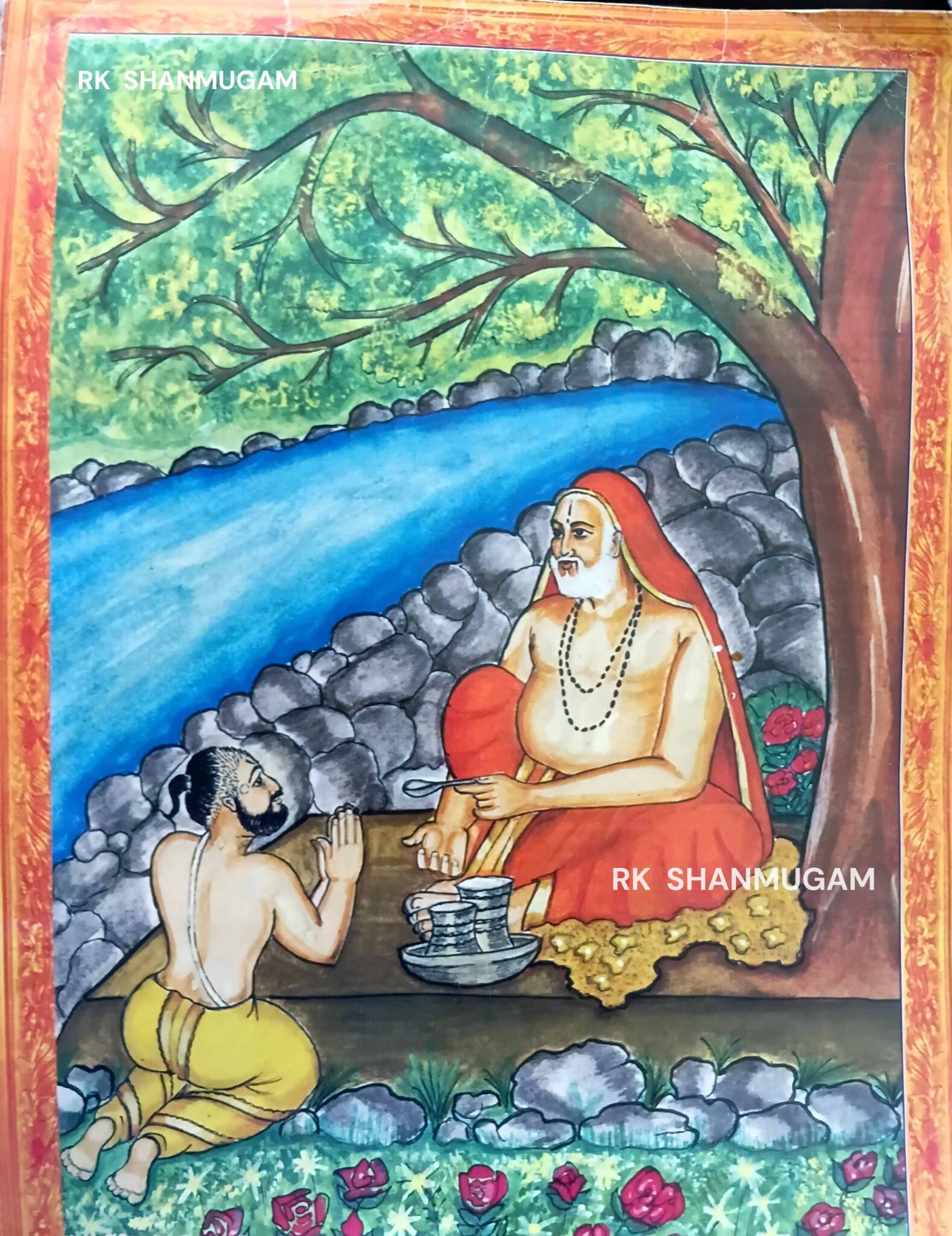
The Balu Brothers’ artistic lineage did not end with them. It continued through the third generation. R.K. Shanmugam, the founder of Sri Mudhra Arts, carried the torch forward. He specialized in traditional Tanjore-style paintings. These paintings are known for their richness and gold foil work .
Shanmugam also created hand-drawn logos. This was a natural extension of the family’s artistic skills. He understood that the principles of visual communication applied to all mediums. His work bridged the gap between traditional art and modern branding.
This third-generation legacy is crucial. It connected the Balu Brothers’ cinema work to the modern era. It kept the family’s artistic traditions alive. It ensured that the skills of hand-drawn design were not lost.
The Fourth Generation: Dot Designs and Digital Branding
The fourth generation has taken the family legacy in a new direction. They have established Dot Designs, a branding agency. They focus on digital logos and brand identity creation. They apply the same principles of visual excellence to the digital world.
The transition from hand-drawn logos to digital design is natural. It is an evolution, not a break from tradition. The underlying principles remain the same. Visual clarity, emotional connection, and brand recognition are still paramount.
Dot Designs represents the modern expression of the Balu Brothers’ vision. They create identities for businesses. They help brands tell their stories. They use technology to amplify the power of visual design.
The Golden Era of Tamil Cinema
The period between the 1940s and 1960s is known as the golden era of Tamil cinema. It was a time of great creativity. It was a time of innovation. It was a time of cultural significance.
The Balu Brothers were part of this golden era. They contributed to its visual identity. They helped define its aesthetic. Their work remains a testament to the creative spirit of that time.
This golden era was not just about films. It was about the entire cultural ecosystem. It was about music. It was about art. It was about literature. The brothers contributed to all of these fields. They were truly versatile artists.
Today, through the work of Sri Mudhra Arts and Dot Designs, their contributions are being rediscovered. A new generation is learning about their impact. The golden era is being remembered and celebrated.
A Lasting Impact on Cinema Art
The Balu Brothers’ impact on cinema art is still felt today. Their designs are still referenced. Their techniques are still studied. Their philosophy is still relevant.
They proved that art can be both commercial and meaningful. They proved that creativity and business can coexist. They proved that visual identity matters.
Their work reminds us of the power of design. A good logo can become a brand. A good poster can sell a film. A good character design can create a legend. These are lessons that are still valuable today.
The Balu Brothers’ legacy lives on in multiple forms. Sri Mudhra Arts preserves the traditional Tanjore painting style. Dot Designs applies the family’s visual principles to modern digital branding. The spirit of creativity continues to thrive.
Conclusion: The Visual Architects of a Golden Age
The Balu Brothers were more than just artists. They were visual architects. They helped shape the look and feel of Tamil cinema. They created logos, posters, and character designs that still resonate today. Their work defined a golden era.
Their AVM logo is one of the most iconic symbols in Indian cinema. It is a testament to their creativity and vision. It is a symbol of quality and cultural pride. It is a reminder of their lasting impact.
Their cinema legacy is a vital part of their overall legacy. It demonstrates their versatility. It demonstrates their creativity. It demonstrates their commitment to excellence.
And today, through the dedicated work of the third and fourth generations, this legacy continues to evolve. Sri Mudhra Arts keeps traditional art alive. Dot Designs brings the family’s visual genius to the digital age. The spirit of the Balu Brothers lives on in every design.